
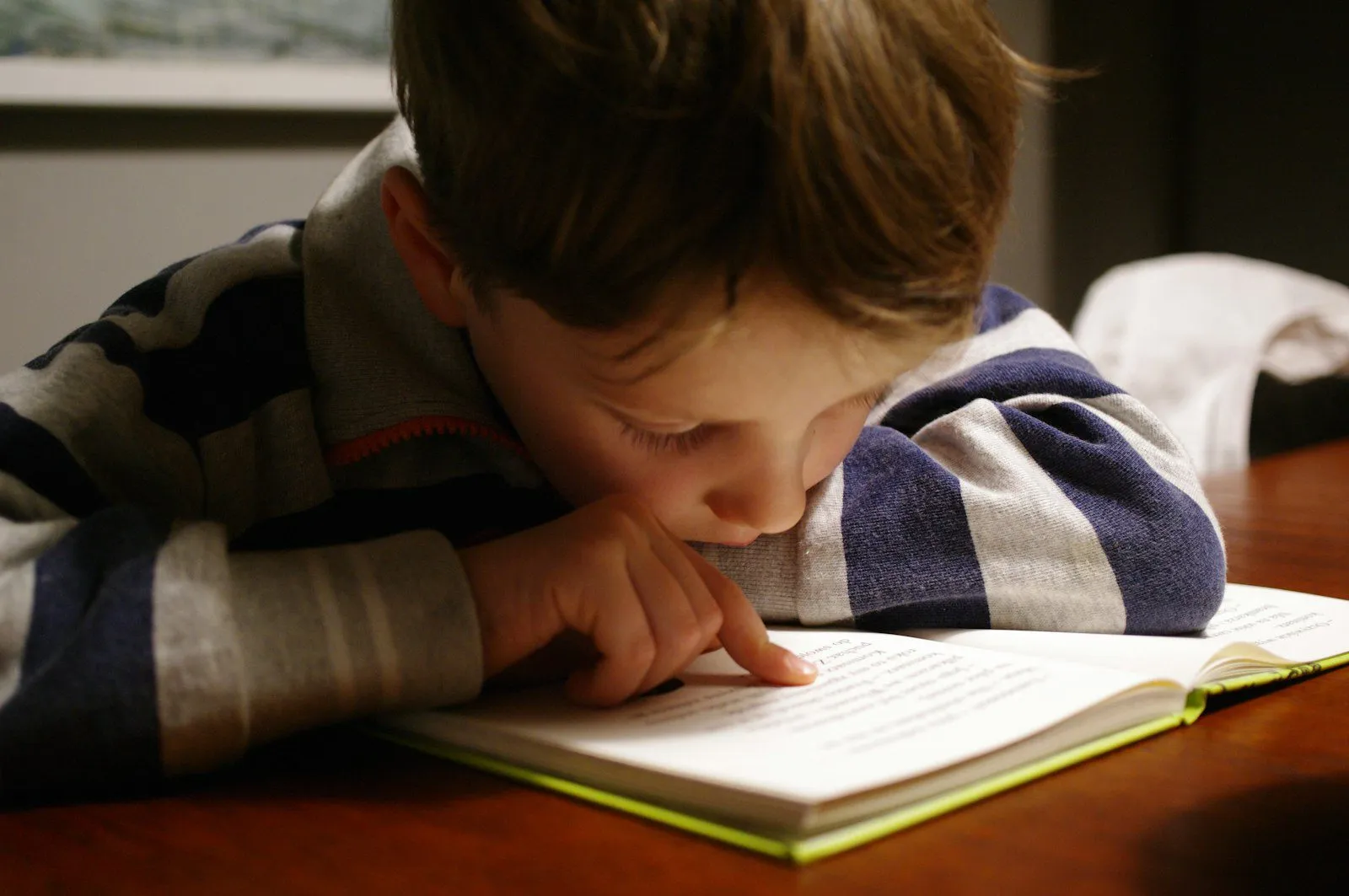
Reading with an ADHD Child: A Practical Guide
- adhd
- reading
- parenting
- focus
Reading with an ADHD child works best when you stop chasing stillness and start meeting your child's attention where it actually is. This practical guide gathers parent- and teacher-tested strategies for making reading time engaging, low-pressure, and something your child will actually come back to.
A quick note first: this is general, parent-to-parent guidance, not medical advice. ADHD looks different in every child, so if you have real concerns about focus, reading, or learning, a pediatrician or reading specialist is the right person to ask.
Why reading feels so hard with ADHD
Reading demands several taxing skills at once: sustained attention, working memory to hold a sentence's thread, impulse control to stay in the chair, and patience to decode words that don't yet come automatically. ADHD makes each of those harder to summon on command — not because the ability is missing, but because the brain's interest-and-reward system fires differently.
Novel, active, or genuinely fascinating tasks get plenty of fuel. Slow, repetitive ones often don't, no matter how much willpower is applied. That's why a child who "can't focus for two minutes" on a worksheet can vanish for an hour into a video game. The attention is real. Your job is to build reading experiences that tap the same engine.

Attention-friendly reading strategies that help
You won't need all of these. Try two or three, keep what works, and quietly drop the rest.
- Go short and often. Ten focused minutes beats a tense half-hour. A page at breakfast, a few at pickup, a story at bedtime — small moments add up to more words and far less friction. Stopping on a good note is a win, not a failure.
- Let the body move. Stillness isn't a prerequisite for listening. Let your child fidget, pace, squeeze a stress ball, or flop upside-down while you read aloud. Many kids listen better when their hands and feet are busy. Movement is fuel, not misbehavior.
- Make it interactive. Reading at a child invites drift; reading with them keeps their brain in the room. Pause to ask what happens next, do the silly voices, let them turn pages, spot hidden details, or shout the repeated line.
- Give real choice. Autonomy is a powerful motivator, and it's often in short supply for kids who hear "no" and "not now" all day. A book about dinosaurs or slime that they chose will hold attention a "better" book never could.
- Lean on audio and narration. Listening while following along is real reading practice — it builds vocabulary and comprehension without the friction of decoding every word. For a child who finds the mechanics exhausting, a narrated story can turn a nightly battle into a bedtime they look forward to.
- Feed the novelty. Sameness is kryptonite for an interest-hungry brain. Rotate books, change where you read, and don't be afraid to abandon one that isn't landing. This is one reason personalized stories work so well: when your child is tonight's astronaut and the adventure is new, novelty and personal relevance do the heavy lifting for you.
Turn down the pressure
For many kids with ADHD, "reading time" has quietly become loaded — tangled up with school, corrections, and the feeling of being behind. When a child senses reading is a test they keep failing, avoidance is a rational response. So drain the tension out of it deliberately.
- Don't turn every session into a lesson. Supply a stumbled word and keep the story moving. Flow matters more than catching every mistake.
- Separate reading-for-love from reading-for-school. Protect at least one of them from any hint of assessment.
- Keep reading aloud past the age you think you should stop — it keeps kids connected to stories above their decoding level and keeps the ritual warm.
- Watch your own frustration. Kids read a parent's sighs instantly. On fried nights, a narrated story or audiobook is a perfectly good stand-in.
The aim is simple: your child should associate books with comfort and curiosity, not with being watched and measured.
Celebrate the progress you can see
Kids with ADHD get a steady diet of correction — sit down, focus, try harder. Reading time can be where the script flips and they hear what's going right. Notice effort, not just outcomes: "You really stuck with that tricky part" lands better than "good job reading." Name the specific win — sounded out a hard word, predicted the ending, sat through a whole chapter.
And redefine progress. Some nights it's finishing a story; other nights it's choosing a book at all, or laughing at the funny part, or asking for one more. Measured over months instead of evenings, those small wins are exactly how a reluctant reader quietly becomes a kid who reaches for a book on their own.
Key takeaways
- Reading strains attention, working memory, and impulse control all at once — the ability is there, it just needs a more engaging on-ramp.
- Go short and frequent, allow movement, read interactively, and give your child real choice over what and where you read.
- Narrated and audio stories are genuine reading practice and can turn a nightly battle into a routine your child enjoys.
- Drain the pressure: keep story time separate from schoolwork, don't correct every word, and keep reading aloud longer than you think you should.
- Celebrate specific effort over outcomes, and measure progress in months, not evenings.
- This is general guidance, not medical advice — loop in a pediatrician or reading specialist if you have concerns.