
Storytelling in the Classroom: Why Narrative Teaches
- education
- storytelling
- learning
- teachers
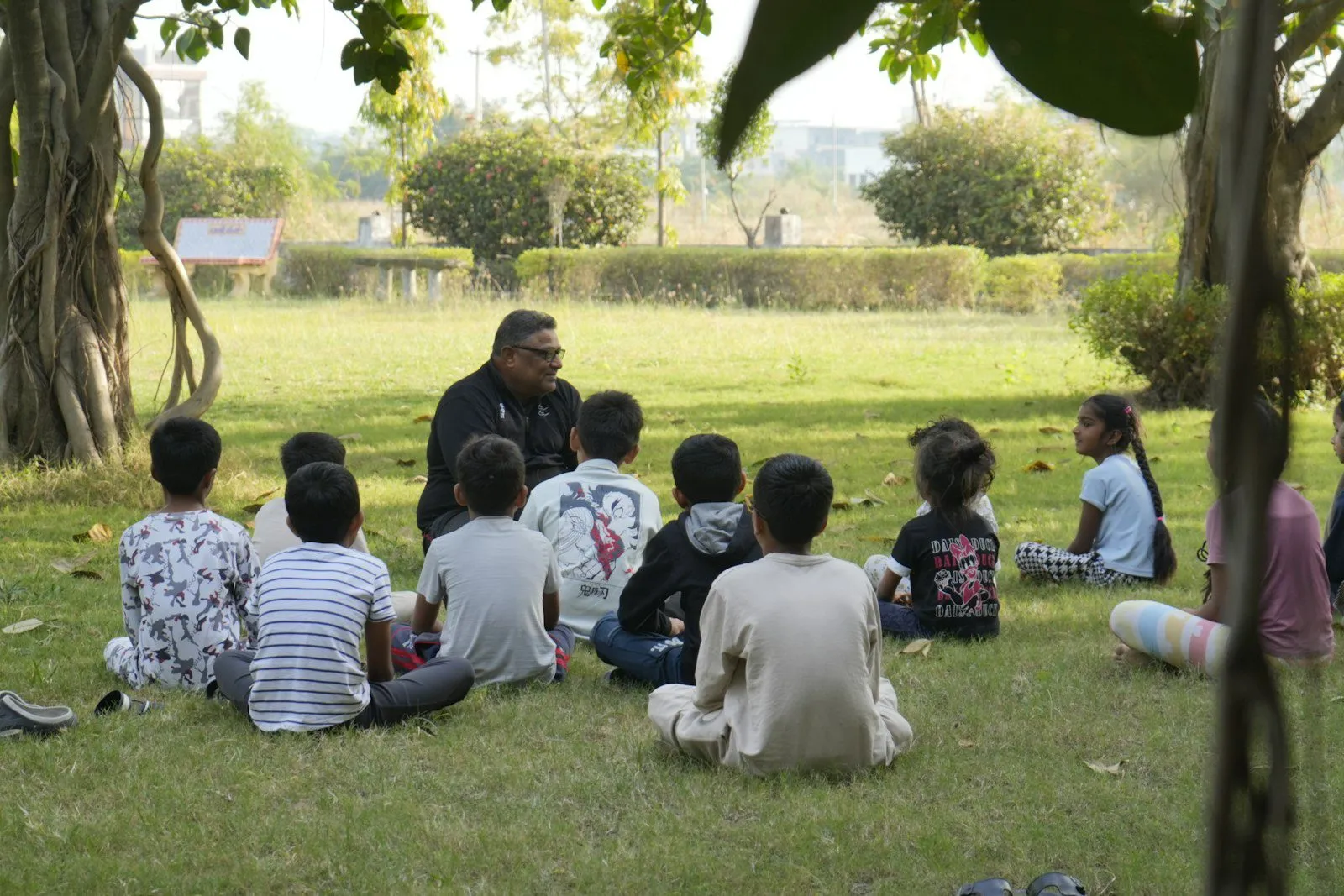
Storytelling in the classroom is one of the most efficient ways to teach, because the human brain holds onto narrative far more reliably than it holds onto lists of facts. This article looks at why story works on the brain, how narrative teaches across every subject, and practical ways teachers and parents can put it to use.
Why narrative sticks in memory
A fact on its own is a small, isolated thing; the mind has nowhere to file it and little reason to keep it. A fact wrapped in a story arrives with context: a character who wants something, an obstacle, a consequence. That structure gives the brain hooks to hang information on, and hooks are what make memory durable.
Part of this is cause and effect, which is exactly how we make sense of the world. When a lesson is framed as "this happened, which caused that, which forced this decision," students follow a chain they can reconstruct later. Recall one link and the others come with it.
Part of it is emotion. We remember what we feel. When a student cares whether a character survives the winter, the details of how they survived stick because they are attached to a feeling. Cognitive scientists describe stories as "psychologically privileged," meaning the mind treats them differently from other information, granting more attention and easier recall.
And part of it is attention. A story opens a gap the listener wants closed. What happens next is a small suspense that keeps a room leaning in, and sustained attention is the raw material of learning.
How narrative teaches across every subject
It is easy to assume storytelling belongs to English class, but it strengthens nearly every subject, because almost anything can be framed as a narrative.
History is the obvious case, yet it is often taught as a flat sequence of dates. Reframed as narrative, the same material comes alive: a treaty is not a date to memorize but the ending of a long conflict between people who wanted incompatible things. Students who understand why a decision was made remember the decision, because it now has causes and stakes.
Science is full of stories waiting to be told: the discovery of a vaccine, the slow puzzle of how a disease spreads, the accident that revealed something no one expected. Even a process like the water cycle lands better as a journey following a single drop of water as it rises, travels, falls, and returns than as a labeled diagram alone.
Math resists this more, but not entirely. Word problems are miniature stories, and the good ones give numbers a reason to matter, framing a concept as a problem a character needs to solve. Even social and emotional learning runs on narrative: a story about a character who makes a bad choice, or who is left out and finds a way back in, lets children rehearse hard feelings at a safe distance.
Practical ways for teachers to use story
Using narrative well does not require a theater degree. A few reliable techniques do most of the work.
Open with a hook rather than an outline. Instead of announcing objectives, begin in the middle of a situation: "Imagine you are a doctor in a city where people keep getting sick and no one knows why." The lesson arrives once students are already leaning in.
Give abstract ideas a character. A concept is easier to follow when something wants something, so personify a force, a number, or a historical group to turn a definition into a small drama.
Use the shape of story on purpose: a beginning that sets up a question, a middle where tension builds, and an ending that resolves it. Even a five-minute explanation lands harder when it withholds the resolution until the end.
Invite students to build stories, not just receive them. Have them retell a historical event from one participant's view, write the "origin story" of a scientific idea, or turn a math concept into a word problem for a classmate. Constructing a narrative forces them to organize the underlying information, which is where much of the learning happens.
Bringing storytelling home
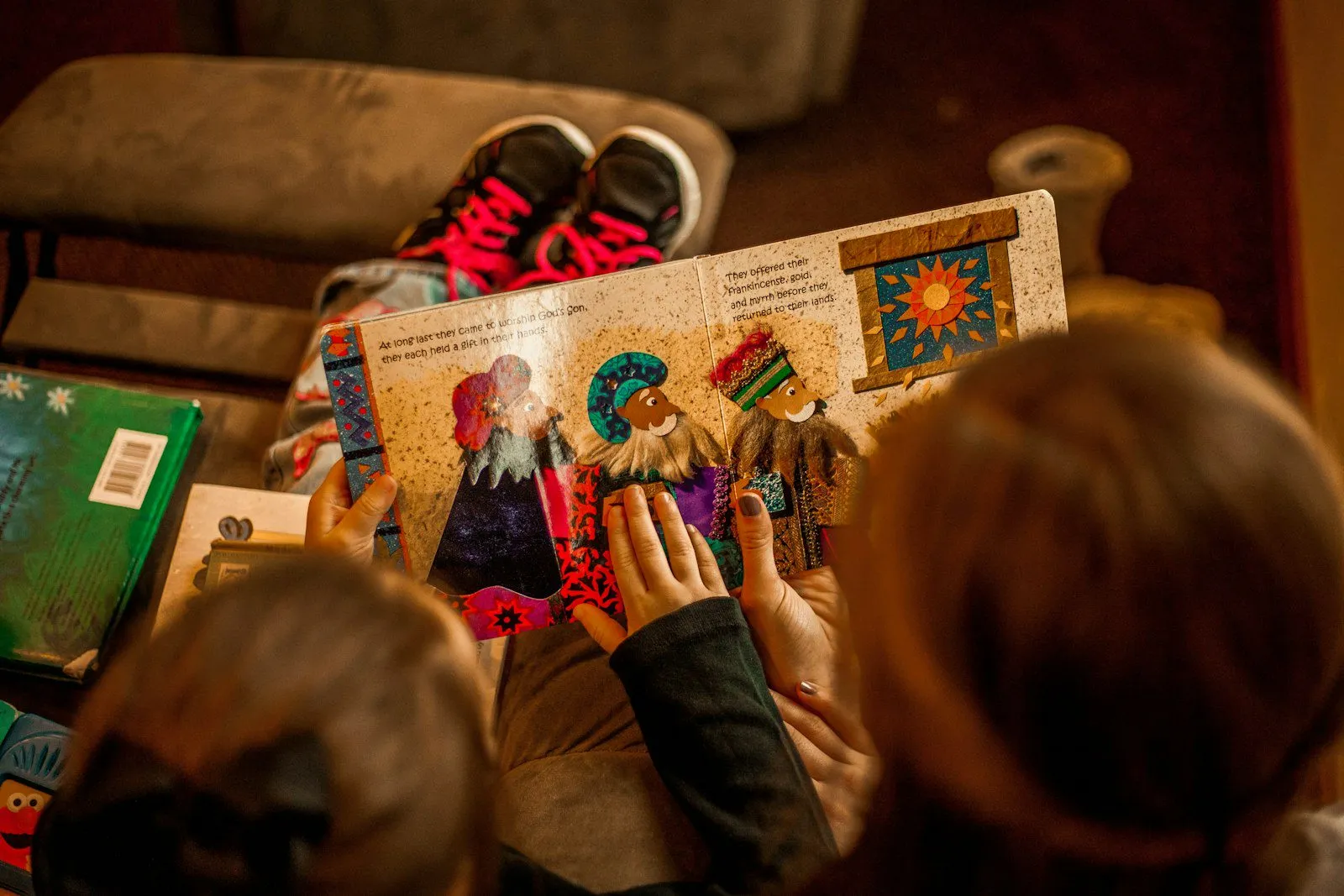
Parents are storytelling teachers too, and the home version is lower-stakes and often more powerful. Reading aloud is the foundation, but go further by talking about stories rather than just finishing them. Pause and ask what a character should do next, or why they made the choice they did. These small questions build the same comprehension and reasoning that story time builds in class.
Family stories are rich material. Telling your child about the time you got lost gives them narrative practice and a sense of belonging at once. Encourage them to tell stories back and resist correcting the details; fluency and confidence come first, precision follows.
Personalized stories make the reasoning especially vivid, because a child pays closer attention when they are the hero. A tool like Noctly can turn a lesson your child is working through, like a new sibling or a fear of the doctor, into an illustrated, narrated story with their own name in it. The narrative does the teaching, and the personal angle keeps them listening.
Key takeaways
- The brain remembers stories far better than isolated facts, thanks to cause and effect, emotion, and sustained attention.
- Nearly every subject, including history, science, math, and social learning, can be framed as narrative.
- Teachers can open with a hook, give abstract ideas a character, use story structure deliberately, and have students build stories.
- Parents extend the same benefit by reading aloud, discussing stories, and sharing family stories.
- Personalized narratives, including tools like Noctly, boost engagement by making the child the hero of the lesson.